Experiments & Annotations
Steven spielberg


I'm writing a report about Steven Spielberg and his filmmaking.
Steven Spielberg is 78 and was born in Cincinnati, Ohio on December 18, 1946. As a child, he developed a passion for filmmaking, making home films on his father's camera. He began his filmmaking journey as a teenager, creating short films. At 17, he made a short film titled "Escape to Nowhere," which won him a prize at a film festival. His first feature film was "The Sugarland Express," released in 1974. His first major success was "Jaws," which became the first real summer blockbuster and transformed Hollywood's approach to producing big-budget films.
Steven Spielberg has won three Oscars: two for Best Director for the films "Schindler's List" and "Saving Private Ryan," and one for Best Picture for "Schindler's List". His most well-known films are: Jurassic Park, ET the Exatra-Terrestria, Jaws, Indiana Jones and Schindler's List. He also co-founded DreamWorks in 1994 with Jeffrey Katzenberg and David Geffen. However, despite his achievements, Steven Spielberg faced multiple rejections from the University of Southern California film school and later on attended California State University, but eventually dropped out to pursue directing.


Steven Spielberg 7 Visual Motifs
Visual Motifs 1-Silhouette
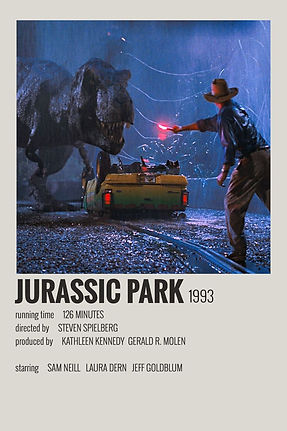
Steven Spielberg uses silhouettes to create dramatic, emotional and visually striking scenes. This technique enhances storytelling without relying on dialogue and creates mystery and tension within the scenes. Steven Spielberg often uses backlighting and framing to emphasize the character's emotions and iconic moments. Three examples of this are: "E.T" the silhouette of Elliot and E.T flying across the moon on a bicycle, "Indiana Jones" the shadowy profiles of Indiana Jones and "Jurassic Park" the silhouette of Tyrannosaurus rex escaping while it's raining.
Visual style 2-Storytelling
Steven Spielberg often explores family problems in many of his films, to reflect his own childhood experiences. His parent's divorce deeply impacted him and there are often themes of broken families or absent fathers across his films. For example, E.T., Close Encounters of the Third Kind and Catch Me If You Can, all of these films have family issues in their plot. Steven Spielberg uses these themes to create emotional depth and relatable characters, making his stories more personal and heartfelt.
Visual style 3-Sideways tracking shots
Sideways tracking shot refers to a camera movement where the camera moves laterally to the actors. Steven Spielberg uses sideways tracking shots to create movement and urgency. This technique allows the audience to follow the characters and makes scenes feel more fluid and natural. It helps maintain visual storytelling by revealing background details and the characters' real-time reactions. Three examples of this are: "Jaws" the beach scene, a tracking shot to Brody as he reacts to the sharks attacks, "Schindler's List" following Oskar Schindler as he observes what's around him and "In The Adventures of Tintin" there's a tracking shot during the chase scene in Bagghar.
Visual style 4- Framing
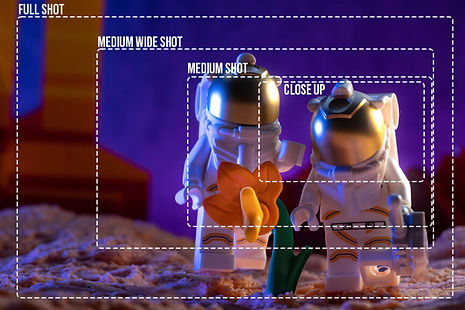
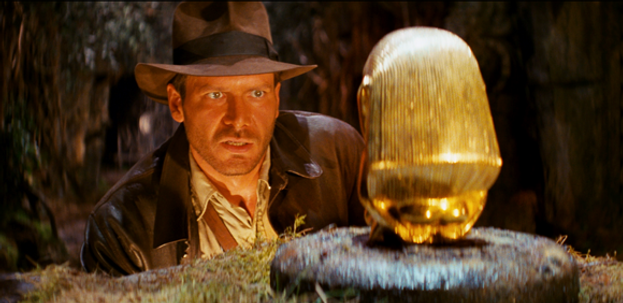
In film many film-makers use framing to set the tone and mood of the film. Framing arranges things we see in the frame, like actors ,objects etc. Steven Spielberg uses framing to guide the audience's focus and add depth to the story. By him framing characters through doorways, objects, windows and mirrors he creates a visual layers that adds tension and intimacy within the film. This technique can highlight emotions like isolation, power or discovery .Three films with the best framing are: "E.T. the Extra-Terrestrial" when E.T was framed in a closet, "Indiana Jones" when indy was seen through a cave entrance and "Catch Me You Can" when Frank Abagnale is seen through windows, doorways or photo booths.
Visual style 5- Zoom in shots
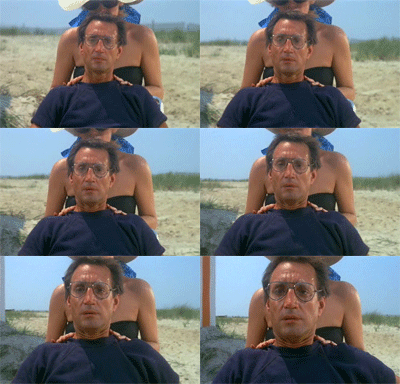
Steven Spielberg uses zoom shots to emphasise on emotions, tension or realisation. He often does zoom-ins to get a characters reaction to something and to draw in the audience onto the characters perspective. Zoom-ins can also showcase certain emotions within the characters. For Example, "Close Encounters Of the Third Kind" shows a slow zoom-in on the characters as they react to the ufos, showcasing tension and awe, similarly with "Munich" the zoom in on Avner during moments of paranoia emphasising his growing fear and isolation and in "Jaws" theres a zoom in on Chief Broody when he realises the shark attack is happening, showcasing the shock on his face.
Visual style 6- Colour
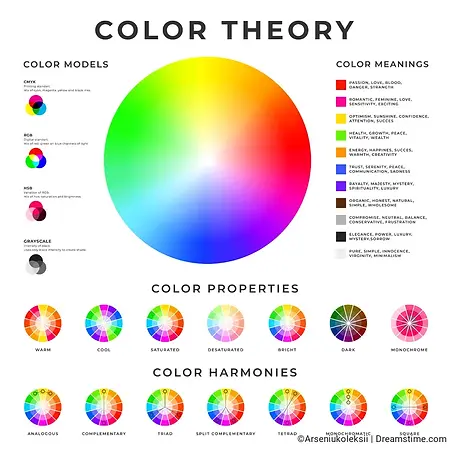
Steven Spielberg uses colours to enhance the mood, theme and storytelling. He often contrasts warm and cool tones to create emotions and bring nostalgia in the films. For example in "E.T" warm golden, hues are used for the grading to bring nostalgia and a dreamlike vibe to it. Other films like "Saving Private Ryan" and "Schindlers List" have cool desaturated tones to show the realism in films
Visual style 7-Lighting
In film-making, lighting is an important factor for shaping a film's visual narrative and controlling the viewers emotions. Steven Spielberg uses lighting in his films to enhance the storytelling and to change the mood. Key lighting techniques Steven Spielberg uses are: Backlighting & Silhouettes, Lens Flares & Practical lighting and Soft, warm lighting.
He uses backlighting & Silhouettes to create mystery and iconic imagery, like in films "E.T." and "Raiders of the lost ark". Lens Flares & Practical lighting are to add realism and cinematic depth to the films like in, "Close Encounters Of The Third Kind" and "War Of The Worlds". Lastly, soft and warm lighting are to evoke nostalgia and bring emotions to the viewers, like in films "The Fabelmans" and "Catch me if you can"


E.T. the Extra-Terrestrial
Indiana jones


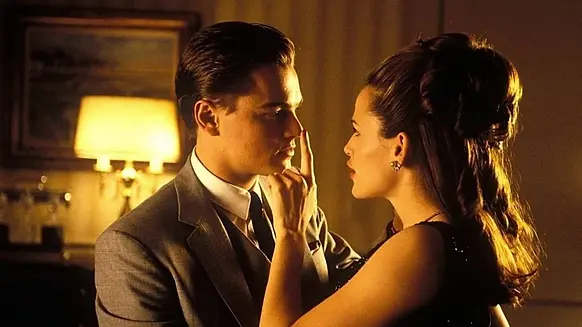
Catch Me If You Can
E.T. the Extra-Terrestrial
Close Encounters of the Third Kind


Jaws(Tracking shot as Brody reacts to the sharks attacks)
Schindler's List
In The Adventures of Tintin (Tracking shot during the chase scene)

Framing
Zoom in shot (Jaws)

Schindlers List Colour Palette
Backlighting & Silhouettes
The color is purple

A.I. artificial intelligence

Lens Flares & Practical lighting
Close Encounters Of The Third Kind
Close Encounters Of The Third Kind


Soft and Warm lighting
Catch Me If You Can
Indiana jones
Steven Spielberg silhouette experiments
What is a silhouette? A silhouette is a dark outline of a person, object, animal, shape or scene that is against a bright background.
How did you create a silhouette? To create a silhouette, I took my phone and opened camera to take a video. Before taking the video, I pressed against a light area to unlock the AE/AF Lock to make the videos more darker and appear more like silhouettes.
What helped enhance my moving camera shots? The setting I was in helped me enhance my moving camera shots. By feeling the atmosphere of the area I was in, I was able to have static movement and create a mysterious vibe in my videos, letting the movement primarily be in my classmates.
What shots do you like and why? The shots I like the most are: the first video, third and fourth. I like the first video because it brings out the silhouettes of multiple people, and everyone is doing their own thing. Similarly, I like the third and fourth videos because of how nice the silhouettes look.
How could you improve on the shots you are not so keen on? The shots I'm not so keen on are the second and last one. I don't like them because I don't think the silhouettes are the best. If I were to improve on them I would choose a different lighting to press on and make the videos only on their silhouettes. However I do kind of like the second video because of the movement in the video that I directed. It gives off horror vibes.